
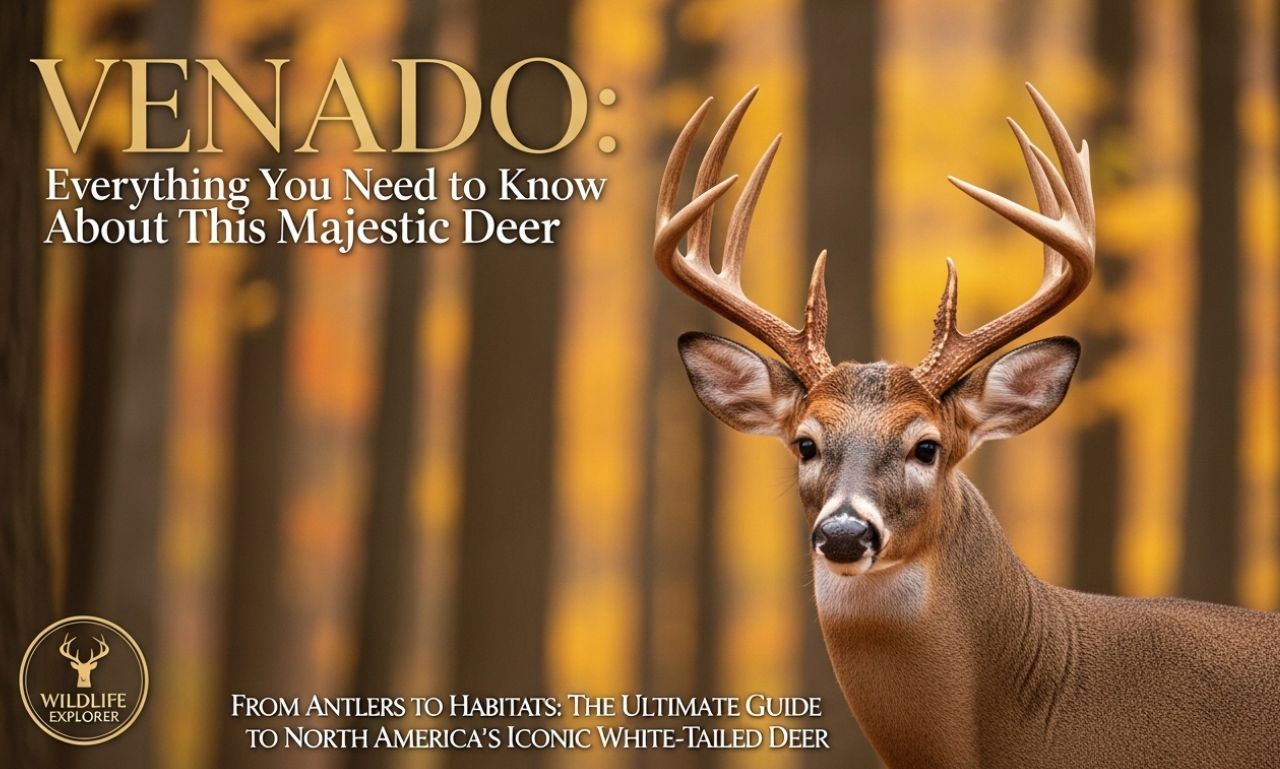
The venado, commonly known as a deer, is a graceful and highly adaptable animal found in forests, grasslands, and mountains across the Americas. Known for its agility, keen senses, and elegant antlers, the venado has fascinated humans for centuries. From ecological importance to cultural significance, understanding the venado provides insight into both nature and human traditions.
What is a Venado?
A venado is a mammal belonging to the Cervidae family, characterized by its slender legs, keen eyesight, and often large antlers in males. Venados are herbivores, feeding mainly on leaves, grass, fruits, and bark. Their ability to adapt to different habitats has allowed them to thrive in diverse environments, from tropical forests to temperate regions.
Physical Characteristics
-
Size: Venados vary in size depending on species, typically ranging from 90 cm to 150 cm in height at the shoulder.
-
Weight: Adult males can weigh between 50 to 200 kg, while females are usually lighter.
-
Antlers: Male venados grow antlers annually, which are used for mating displays and defense.
-
Coloration: Most venados have reddish-brown fur in summer and a darker coat during winter for camouflage.
Types of Venado
There are several species of venado, each adapted to its environment:
-
White-tailed Deer (Odocoileus virginianus): Found widely in North and Central America, famous for the white underside of its tail.
-
Red Deer (Cervus elaphus): Native to Europe but also found in some parts of South America.
-
Pudu (Pudu puda): The world’s smallest deer, found in Chile and Argentina, standing only 32–35 cm tall.
-
Mazama (Brocket Deer): Small, shy deer found in Central and South American forests.
Each species plays a critical role in its ecosystem, influencing vegetation patterns and serving as prey for predators.
Habitat and Distribution
Venados are highly adaptable and inhabit a variety of environments:
-
Forests: Dense forests provide cover and abundant food for venados.
-
Grasslands: Open areas allow venados to graze while maintaining vigilance against predators.
-
Mountains: Some species thrive in hilly and mountainous regions, using agility to navigate rough terrain.
In the Americas, venados are commonly found from Canada and the United States down through Mexico, Central America, and South America.
Behavior and Social Structure
Venados exhibit interesting behaviors that reflect their intelligence and adaptability:
-
Social Structure: Many venado species form small herds led by dominant males, especially during mating season.
-
Communication: They communicate through scent markings, vocalizations, and body language.
-
Reproduction: Mating season, or rut, occurs annually. Males compete for females, often using their antlers in displays of strength.
Venado in Culture
The venado has significant cultural symbolism in many societies:
-
Indigenous Cultures: Often seen as a symbol of agility, fertility, and the balance of nature.
-
Hunting Traditions: Venados are a source of food, clothing, and tools for many communities.
-
Art and Mythology: Their antlers and grace have inspired art, literature, and folklore worldwide.
Conservation Status
While some venado species are abundant, others face threats due to habitat loss, hunting, and climate change:
-
Threatened Species: Pudu and some Brocket deer species are considered vulnerable due to deforestation.
-
Conservation Efforts: Protected areas, reforestation, and wildlife reserves help preserve venado populations.
Understanding the ecological importance of venados highlights the need for ongoing conservation initiatives.
Fun Facts About Venado
-
Male venados shed and regrow their antlers every year.
-
Venados have excellent hearing and smell, helping them evade predators.
-
Some venado species can run up to 40–50 km/h to escape danger.
-
They play a crucial role in seed dispersal, contributing to forest regeneration.
Conclusion
The venado is more than just a deer—it is an essential part of the ecosystem and a cultural symbol in many regions. From its elegant antlers to its adaptability and role in nature, the venado captivates both scientists and wildlife enthusiasts. Protecting these majestic animals ensures that they continue to thrive and enrich our natural world for generations to come.