
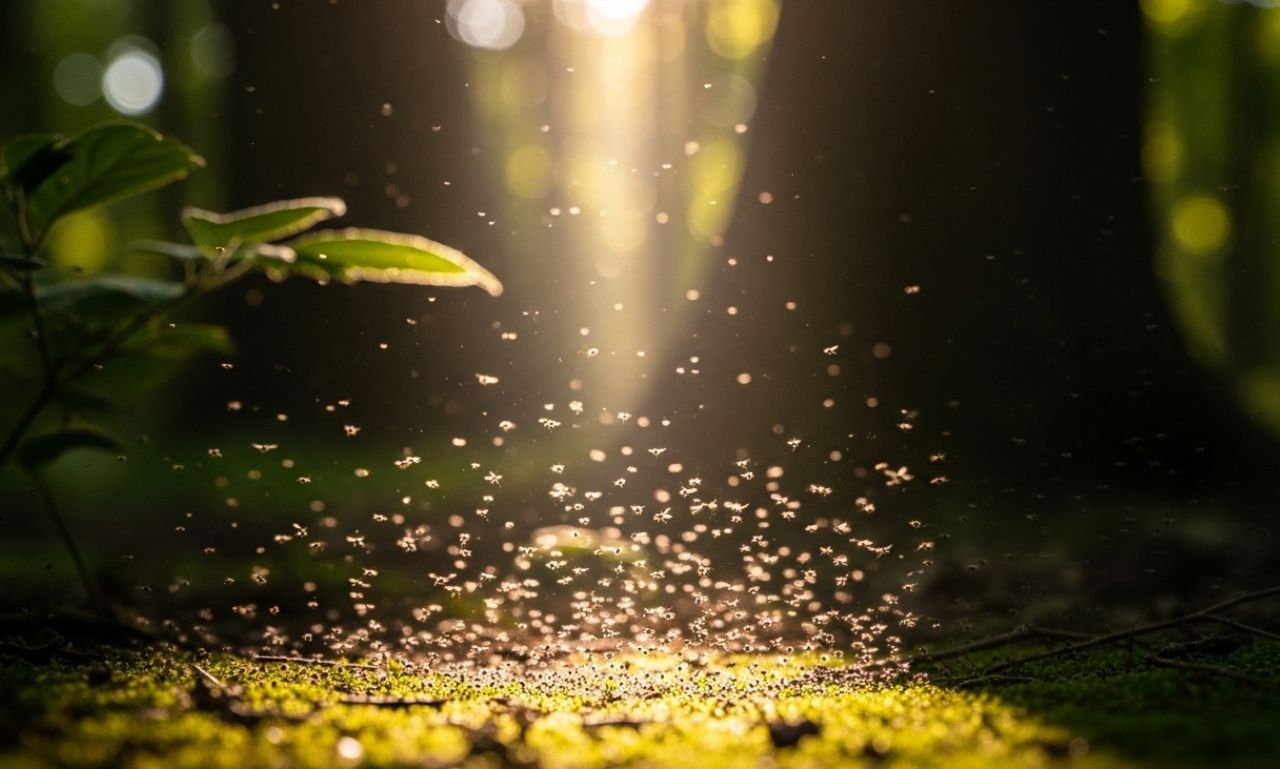
Gnats are tiny flying insects that are commonly found around damp environments, plants, and food. Despite their small size, gnats can be a major nuisance in homes, gardens, and workplaces. They are part of several insect families, including fungus gnats, biting gnats, and non-biting gnats, each with unique behaviors and habitats. Understanding gnats, their life cycle, and ways to manage them is essential for maintaining a comfortable environment.
What Are Gnats?
Gnats are small, winged insects, usually ranging from 1 to 8 millimeters in length. They are closely related to flies and mosquitoes and can be either harmless or biting pests.
Types of Gnats
-
Fungus Gnats – Found around houseplants, they thrive in moist soil and feed on fungi.
-
Biting Gnats – Also known as blackflies or no-see-ums, they feed on blood and can bite humans and animals.
-
Non-Biting Gnats – Often attracted to decaying organic matter, they don’t bite but can infest homes in largenumbers.
Life Cycle of Gnats
Gnats go through four main stages in their life cycle:
-
Egg – Laid in soil, water, or decaying matter.
-
Larva – Worm-like stage, feeding on organic material or blood (depending on species).
-
Pupa – Transitional stage before becoming adults.
-
Adult – Small flying insect that reproduces and continues the cycle.
The life cycle can be as short as 7–10 days, which allows gnats to multiply quickly in favorable conditions.
Where Gnats Are Found
Gnats prefer moist, humid environments. Common places include:
-
Overwatered houseplants or garden soil
-
Decaying fruits and vegetables
-
Damp drains or garbage areas
-
Streams, ponds, and marshes (for biting gnats)
Their ability to appear in swarms makes them particularly bothersome during warm, wet months.
Why Gnats Are a Problem
Annoyance Factor
Gnats flying in swarms can be irritating and interfere with outdoor activities, dining, and gardening.
Health Concerns
-
Biting gnats can transmit pathogens in rare cases or cause allergic reactions.
-
Fungus gnats don’t bite humans but can damage plant roots, affecting plant health.
Infestation in Homes
Gnats can rapidly multiply indoors if there is excessive moisture, uncleaned food, or improperly maintained drains.
How to Get Rid of Gnats
Prevention
-
Avoid overwatering plants; let soil dry between watering.
-
Store fruits and vegetables in sealed containers.
-
Keep kitchen and bathroom drains clean and dry.
Traps and Solutions
-
Apple cider vinegar trap – Small containers of vinegar attract and drown gnats.
-
Sticky traps – Yellow sticky cards capture adult gnats.
-
Insect sprays – Targeted sprays can reduce infestations, though natural remedies are preferred indoors.
Biological Control
-
For gardeners, introducing natural predators like nematodes or predatory mites can reduce fungus gnats in soil.
Fun Facts About Gnats
-
Some species of gnats are important pollinators for certain plants.
-
Biting gnats, despite their small size, have teeth-like structures that allow them to pierce skin.
-
Gnats are attracted to carbon dioxide, which is why humans and animals often attract swarms.
Conclusion
Gnats may be small, but they can create big problems in homes, gardens, and outdoor activities. Knowing the different types, habitats, and life cycle of gnats helps in preventing infestations and managing them effectively. By using proper hygiene, traps, and natural controls, it is possible to reduce their nuisance while understanding their ecological role.