
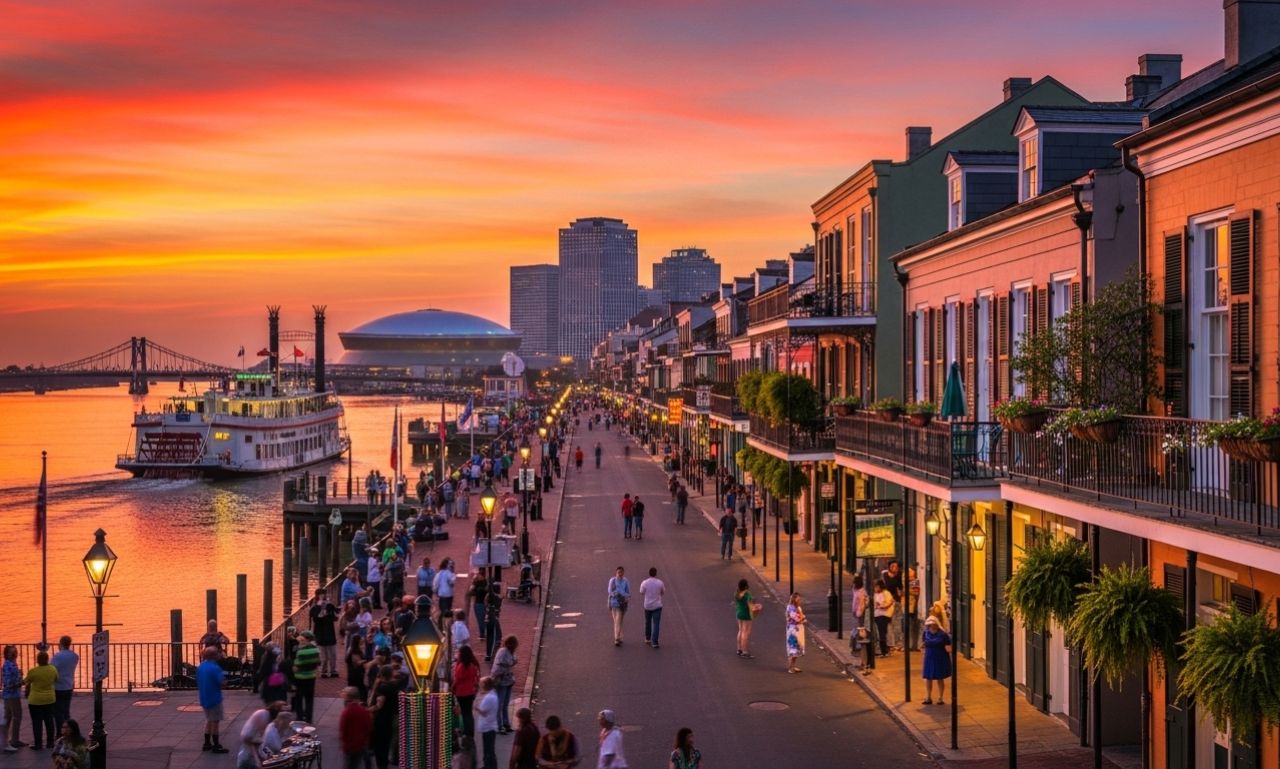
New Orleans is a city renowned for its rich cultural heritage, vibrant music scene, and unique blend of French, African, and American traditions. Located in southeastern Louisiana along the Mississippi River, New Orleans has earned a reputation as one of the most dynamic and historically significant cities in the United States. Its distinctive architecture, festivals, cuisine, and music attract millions of visitors every year.
This article explores New Orleans’ history, culture, landmarks, economy, and why it remains a beloved destination for travelers and residents alike.
History of New Orleans
New Orleans was founded in 1718 by French colonists and named after Philippe II, Duke of Orléans. Its strategic location along the Mississippi River made it a vital port for trade and commerce. Over the centuries, New Orleans experienced French, Spanish, and American influences, creating a unique cultural and architectural heritage.
Significant historical milestones include:
-
1803 – The Louisiana Purchase incorporated New Orleans into the United States.
-
19th Century – Became a center for trade, jazz music, and cultural exchange.
-
20th Century – Growth as a tourism and entertainment hub, despite challenges like hurricanes.
-
2005 – Hurricane Katrina caused devastating flooding, leading to massive reconstruction and revitalization efforts.
The city’s resilience and cultural richness continue to define its identity today.
Culture and Music
New Orleans is considered the birthplace of jazz, and music remains central to its identity. The city hosts vibrant live music scenes in the French Quarter, on Bourbon Street, and at venues throughout the city. Genres include:
-
Jazz
-
Blues
-
Zydeco
-
Brass band music
Festivals like Mardi Gras showcase the city’s lively culture with parades, masks, and music. Other notable events include the New Orleans Jazz & Heritage Festival, celebrating music, food, and local traditions.
Cuisine of New Orleans
New Orleans’ cuisine reflects its multicultural heritage, blending French, Creole, Cajun, African, and Spanish influences. Signature dishes include:
-
Gumbo – A rich stew with meat, seafood, and vegetables.
-
Jambalaya – A rice dish with meats, seafood, and spices.
-
Beignets – Square-shaped fried pastries sprinkled with powdered sugar.
-
Po’Boys – Sandwiches with fried seafood or meats on French bread.
The city is a culinary destination, offering both traditional dishes and modern fusion cuisine.
Landmarks and Attractions
New Orleans is home to numerous historical and cultural landmarks:
-
French Quarter – Historic district with colonial architecture, shops, and music venues.
-
St. Louis Cathedral – Iconic Catholic cathedral in Jackson Square.
-
Garden District – Known for antebellum mansions and scenic streets.
-
Audubon Zoo and Aquarium – Popular family-friendly attractions.
-
Mississippi Riverfront – Offers scenic views, river cruises, and cultural experiences.
These landmarks highlight the city’s history, architecture, and vibrant lifestyle.
Economy and Industries
New Orleans’ economy is diverse, with key sectors including:
-
Tourism and Hospitality – Driven by festivals, historic sites, and cuisine.
-
Port and Shipping – One of the largest ports in the U.S., vital for trade.
-
Energy and Oil – Significant presence of petroleum and natural gas industries.
-
Film and Media – A growing hub for movie and television production.
Despite natural disasters, the city’s economic resilience continues to support growth and innovation.
Challenges Facing New Orleans
New Orleans faces several ongoing challenges:
-
Hurricane Risk and Flooding – Vulnerable to natural disasters due to its low-lying geography.
-
Infrastructure and Urban Development – Maintaining historic areas while modernizing infrastructure.
-
Socioeconomic Inequality – Addressing disparities in education, employment, and housing.
Efforts by local government, communities, and organizations focus on resilience, sustainability, and equitable development.
Why Visit New Orleans?
Tourists and visitors are drawn to New Orleans for its unique experiences:
-
Vibrant Music Scene – From jazz clubs to street performances.
-
Cultural Festivals – Mardi Gras and Jazz Fest offer unmatched celebrations.
-
Historic Architecture – Colonial buildings, wrought-iron balconies, and iconic streets.
-
Culinary Delights – World-renowned Creole and Cajun cuisine.
-
Warm Hospitality – Friendly locals and welcoming neighborhoods enhance the city’s charm.
Whether exploring the French Quarter, enjoying live music, or savoring local dishes, New Orleans offers a rich and unforgettable experience.
Conclusion
New Orleans is a city of resilience, culture, and celebration. Its history, music, cuisine, and unique architecture make it a destination unlike any other in the United States. From the rhythms of jazz to the flavors of Creole cuisine, the city continues to inspire visitors and residents alike. Despite challenges, New Orleans remains a vibrant hub of culture, tourism, and community, preserving its heritage while embracing the future.