If you’ve ever browsed anime fan communities or online pop culture discussions, you may have come across the term “Ahegao.” Ahegao is a Japanese term describing a highly exaggerated facial expression that originated in adult anime and manga. While it may sound unusual, the term has become widely recognized in anime culture and online communities. This article explores the origins of Ahegao, its characteristics, and its impact on anime fandom and internet culture.
What Is Ahegao?
Definition and Characteristics
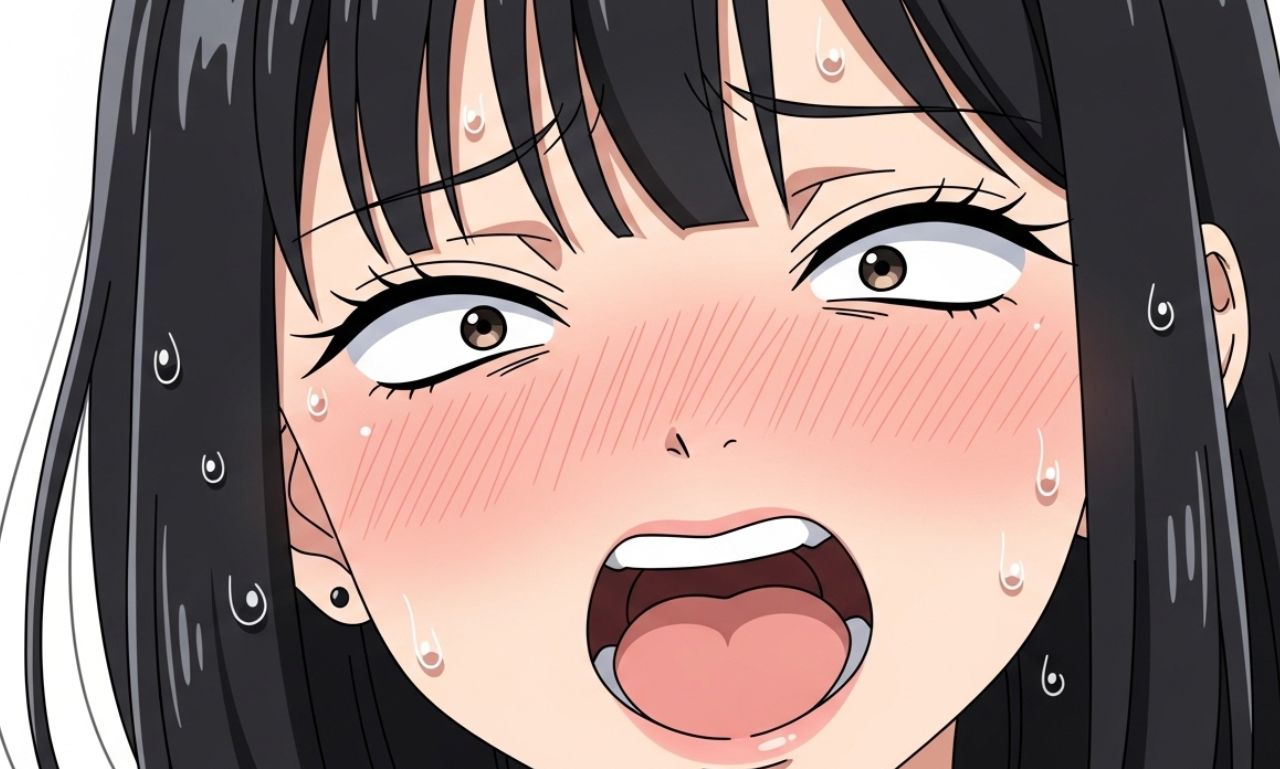
Ahegao (アヘ顔) roughly translates to “weird face” or “ecstatic face” in Japanese. It is a specific exaggerated expression featuring:
-
Crossed or rolled-back eyes
-
A protruding tongue
-
Flushed cheeks
-
An overall expression of extreme emotion
While Ahegao originally appeared in adult-oriented anime and manga, the term has expanded into memes, cosplay, and merchandise within anime fan culture.
Origins in Anime and Manga
Ahegao originated in hentai (adult manga and anime) in Japan during the late 1990s and early 2000s. It was initially a visual shorthand to depict exaggerated pleasure or emotional intensity. Over time, it became a recognizable trope and began appearing in parody, mainstream anime, and online meme culture.
Ahegao in Modern Pop Culture
Cosplay and Merchandise
Ahegao expressions have made their way into cosplay and merchandise, including T-shirts, hoodies, and prints. While controversial due to its adult origins, some fans embrace it as a humorous or ironic element of anime culture.
Internet Memes
The exaggerated and absurd nature of Ahegao has made it popular in internet memes, where users exaggerate expressions or use images for comedic effect. Platforms like Reddit, Twitter, and TikTok have communities that discuss and share Ahegao content, often in a lighthearted, meme-centric context.
Cultural Discussions and Controversy
Ahegao is not without controversy. Critics point out that:
-
Its origins in adult content make it inappropriate for general audiences.
-
Some consider the portrayal objectifying or sexually explicit.
-
It can be misinterpreted outside of anime fandom.
On the other hand, fans argue that Ahegao is a harmless exaggeration in artistic expression, similar to slapstick comedy or hyperbolic cartoon expressions. The debate highlights broader discussions about sexualized content in media and its perception in global cultures.
Legal and Ethical Considerations
Due to its adult origins, Ahegao content may be restricted or censored in certain countries and platforms. Many anime streaming platforms, social media sites, and merchandise sellers regulate or restrict adult-oriented Ahegao material to prevent exposure to minors.
For creators, it’s essential to understand the line between parody, cosplay, and explicit adult content to avoid legal or social conflicts.
How Ahegao Has Influenced Anime Art Styles
Ahegao has influenced expressive exaggeration in anime beyond adult content. Many mainstream anime characters now use over-the-top facial expressions to convey humor, surprise, or emotional intensity — a technique partially inspired by the visual exaggeration that Ahegao represents.
Artists often study Ahegao for its ability to convey emotion clearly and instantly, adapting the style for non-adult contexts in comedic or exaggerated scenes.
Conclusion
Ahegao is a unique aspect of anime and internet culture that started in adult-oriented media but has evolved into a recognizable facial expression and meme phenomenon. While controversial, it highlights the creativity and exaggeration inherent in anime art. Understanding Ahegao requires a cultural and historical perspective, respecting both its origins and its place in fandom discussions.
Whether you encounter it in memes, cosplay, or artistic studies, Ahegao serves as a notable example of how specific artistic tropes can transcend their original context and influence global pop culture.