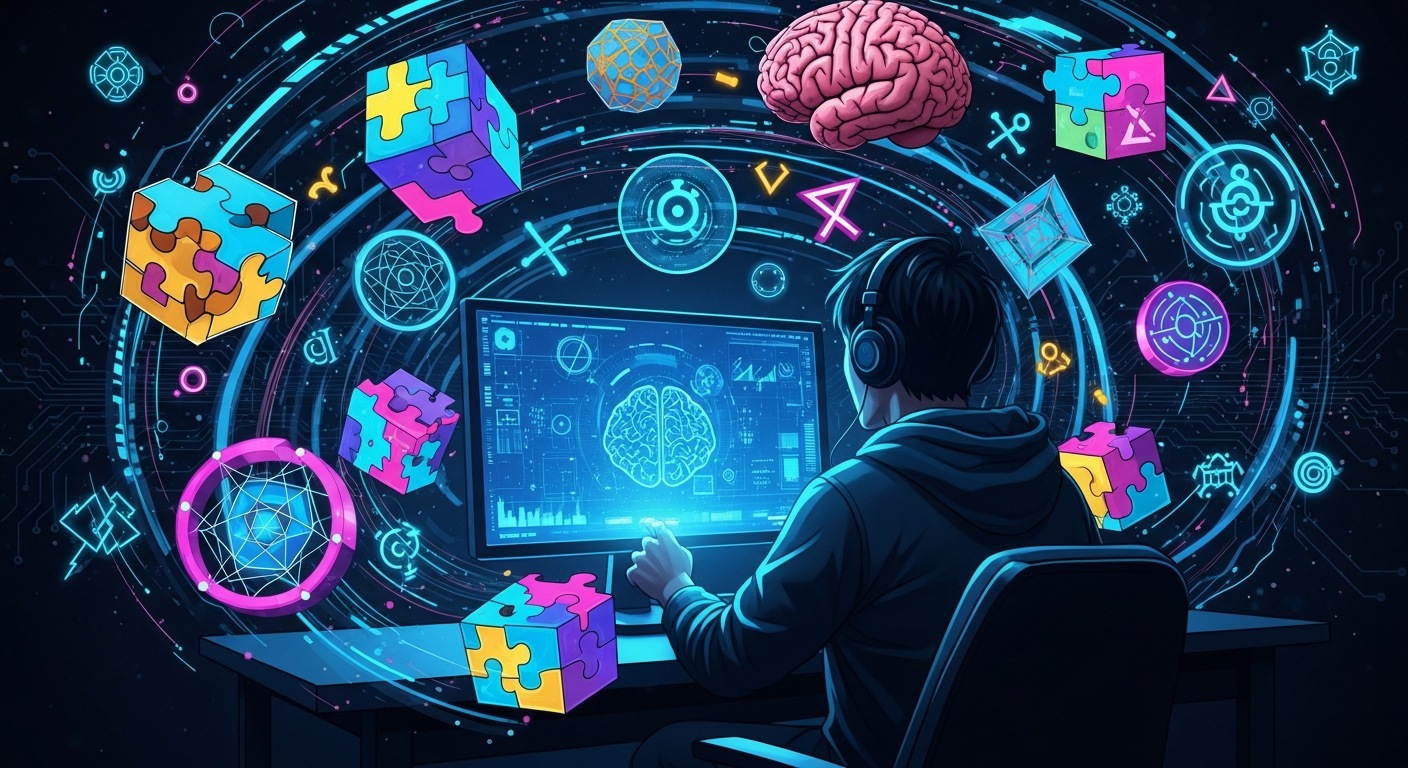
Let’s be honest — we all secretly think we’re pretty clever. Maybe you crushed it in high school math, or you’re the go-to person for trivia night. But here’s the thing: intelligence comes in so many flavors that most of us have barely scratched the surface of what our brains can actually do.
I’ve spent countless hours diving into different types of online intelligence tests (yes, it’s become a bit of an obsession), and what I’ve discovered will probably surprise you. These aren’t your typical “What Disney Princess Are You?” quizzes. We’re talking about legitimate cognitive assessments that can reveal hidden strengths you never knew you had — and maybe humble you in ways you didn’t see coming.
The internet has democratized access to intelligence testing in ways that would’ve been impossible just a decade ago. You can now take assessments that were once reserved for psychologists’ offices or research labs. But with great power comes great responsibility — and a whole lot of confusion about what these tests actually measure.
The Classic IQ Tests That Still Pack a Punch
When most people think “intelligence test,” they picture the traditional IQ assessment. And they’re not wrong to start there. The wechsler test online represents the gold standard that many modern tests try to emulate, measuring everything from verbal comprehension to processing speed.
But here’s what’s wild: these tests measure just one slice of intelligence. You might score through the roof on pattern recognition but struggle with spatial reasoning. I’ve seen people who can solve complex mathematical equations in their head completely bomb questions about rotating 3D objects.
The beauty of online versions is that you can explore these different cognitive domains without the pressure (or expense) of formal testing. Many platforms offer detailed breakdowns showing exactly where your strengths lie. According to research from the American Psychological Association, traditional IQ tests primarily measure analytical intelligence — but that’s just one piece of a much larger puzzle.
Emotional Intelligence: The Test That Hits Different
Here’s where things get really interesting. Emotional intelligence assessments measure your ability to read people, manage your own emotions, and navigate social situations. Think you can spot when someone’s faking a smile? These tests will put that confidence to the test.
The questions range from identifying emotions in facial expressions to predicting how someone might react in complex social scenarios. What’s fascinating is how poorly some traditionally “smart” people perform on these assessments. I’ve watched engineers who can design complex systems struggle to identify basic emotional cues.
Research from Yale University’s Center for Emotional Intelligence shows that emotional intelligence often predicts success in leadership roles better than traditional IQ measures. Makes you wonder what schools should really be teaching, doesn’t it?
Creative Intelligence Tests: Where Logic Goes to Die
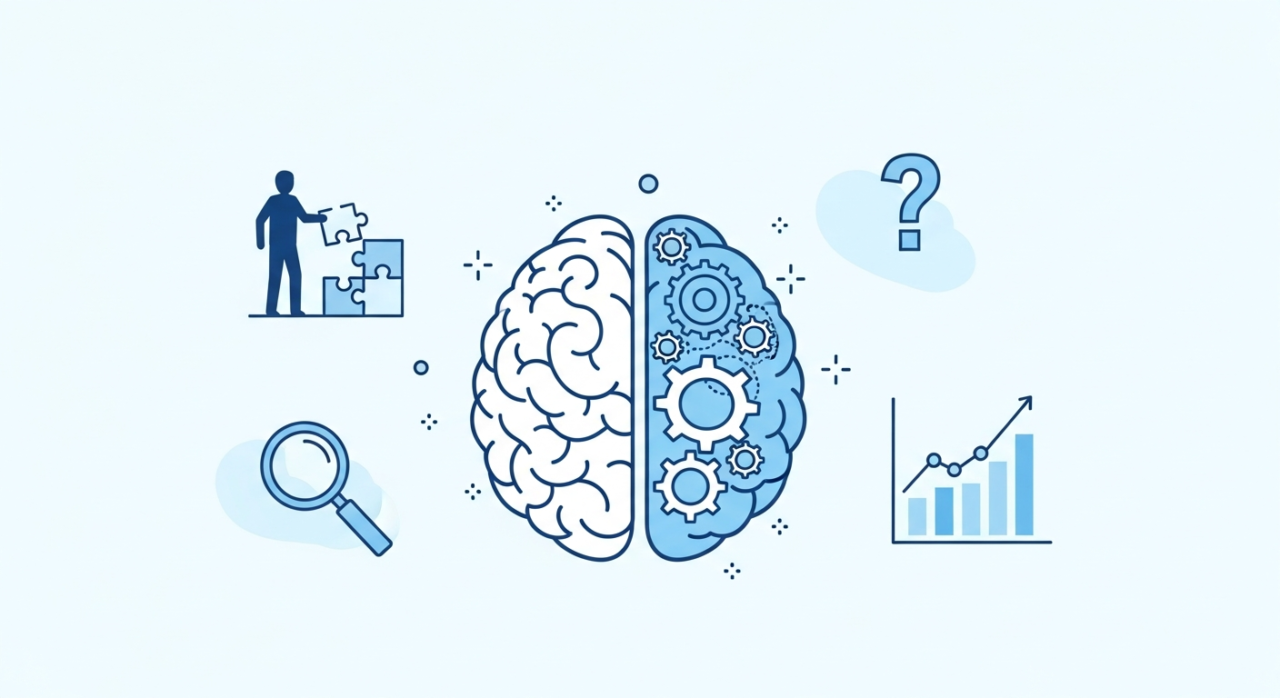
Creative intelligence assessments are probably the most fun (and frustrating) tests you’ll ever take. They throw logic out the window and ask you to think in completely unconventional ways. How many uses can you think of for a paperclip? What would happen if gravity worked sideways?
These tests measure divergent thinking — your ability to generate multiple solutions to a problem. Unlike traditional tests with one right answer, creative assessments celebrate the weird, the unexpected, and the brilliantly bizarre. The scoring often looks at both the number of responses you generate and their originality.
Look, some of the questions will make you feel like you’re losing your mind. That’s the point. Creative intelligence requires breaking free from conventional thinking patterns, and that process can feel deeply uncomfortable for people used to structured problem-solving.
Multiple Intelligence Assessments: Finding Your Hidden Superpowers
Howard Gardner’s theory of multiple intelligences revolutionized how we think about cognitive abilities, and online tests based on his work can be genuinely eye-opening. These assessments identify your strongest intelligence types among categories like musical, spatial, bodily-kinesthetic, and naturalistic intelligence.
What’s amazing is discovering intelligence types you never considered. Maybe you’re terrible at traditional math but have incredible spatial intelligence. Or perhaps you struggle with written communication but have off-the-charts interpersonal intelligence. The Harvard Graduate School of Education continues to research how these different intelligence types manifest in learning and problem-solving.
I’ve found that people often light up when they discover their “hidden” intelligences. It’s like finally having language for abilities they always had but couldn’t quite name.
The Reality Check: What These Tests Actually Tell You
Here’s the truth bomb: no single test can capture the full scope of human intelligence. These assessments are snapshots, not definitive statements about your cognitive worth. They’re best used as tools for self-reflection and discovery, not as measures of your value as a person.
The most valuable insight often comes from taking multiple types of tests and comparing your results. Maybe you excel at logical reasoning but struggle with creative tasks. That’s not a weakness — it’s information you can use to better understand how your mind works.
And remember, intelligence is just one factor in success and happiness. Persistence, curiosity, empathy, and resilience often matter more than raw cognitive ability. These tests can show you interesting things about how you think, but they can’t predict how far you’ll go in life.
So go ahead, take a few tests and prepare to be surprised. You might discover cognitive strengths you never knew you had — or realize that being “smart” is way more complicated than you thought. Either way, you’ll walk away with a better understanding of the fascinating, weird, and wonderful way your brain works.