
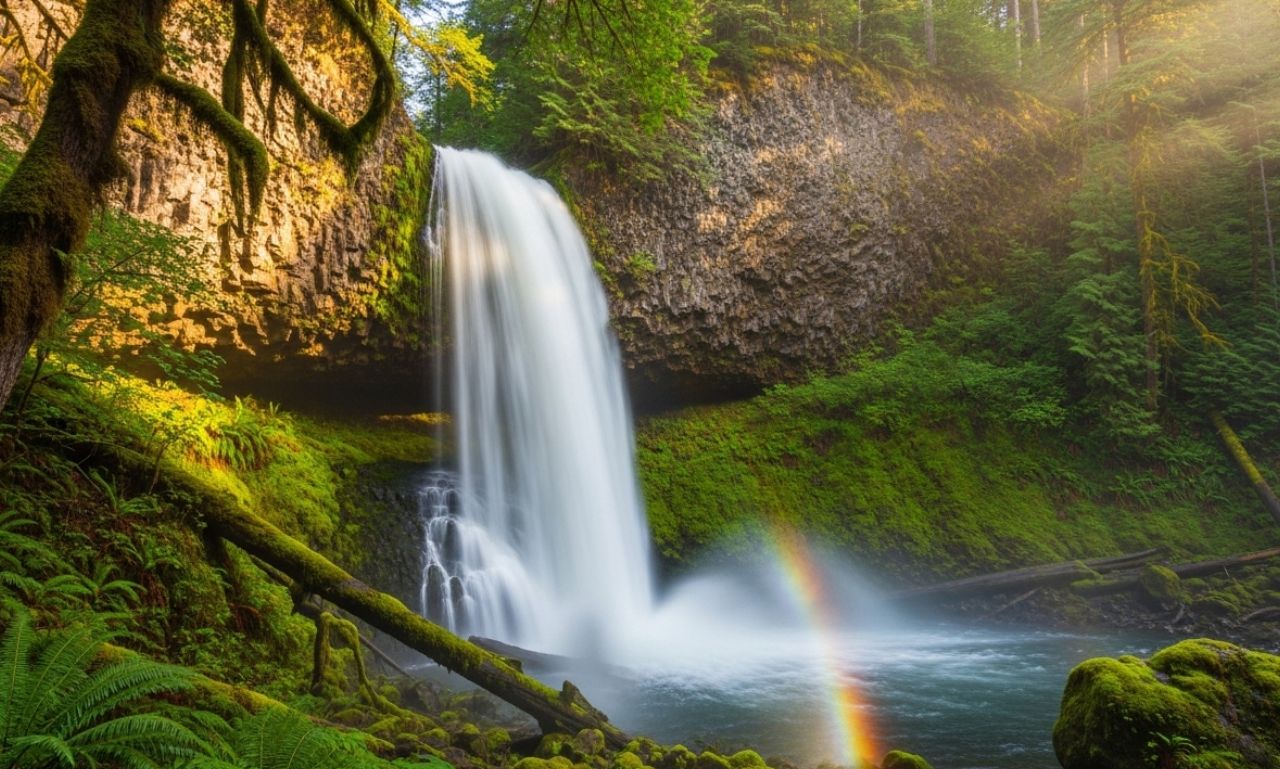
A waterfall is a natural feature where water flows over a vertical drop or cliff, creating a spectacular cascade. Waterfalls are found worldwide, from tropical rainforests to mountainous regions, and are admired for their scenic beauty and power. Beyond their aesthetic appeal, waterfalls play vital roles in ecosystems, shaping landscapes, and supporting biodiversity. Whether as tourist destinations or natural landmarks, waterfalls continue to inspire humans with their majesty.
How Waterfalls Form
Waterfalls form through a combination of geological and hydrological processes:
-
Erosion: Water erodes softer rock layers underneath harder layers, eventually creating a vertical drop.
-
River Course Changes: Rivers may change direction due to tectonic activity, glacial movements, or volcanic activity, forming waterfalls along new paths.
-
Fault Lines and Cracks: Movements in the Earth’s crust can create cliffs or ledges over which water flows.
-
Glacial Retreat: Melting glaciers often leave steep valleys and drops, creating waterfalls in newly exposed terrain.
The process of waterfall formation can take thousands or millions of years, depending on the landscape and rock types.
Types of Waterfalls
Waterfalls come in many forms, each with unique characteristics:
-
Plunge Waterfalls: Water drops vertically without touching the rock surface below, creating a dramatic free fall. Example: Yosemite Falls.
-
Tiered Waterfalls: Water descends in a series of steps or stages, creating multiple cascades.
-
Block Waterfalls: Water descends over a wide ledge, forming a broad curtain of water.
-
Cataract Waterfalls: Large, powerful waterfalls with a significant volume of water.
-
Fan Waterfalls: Water spreads horizontally as it falls, forming a fan shape.
These types showcase the diversity of waterfalls around the world, each shaped by geography, climate, and water flow.
Famous Waterfalls Around the World
-
Niagara Falls (USA/Canada): One of the most famous waterfalls, known for its immense volume and power.
-
Angel Falls (Venezuela): The tallest waterfall in the world, plunging nearly 979 meters.
-
Iguazu Falls (Argentina/Brazil): A massive system of 275 waterfalls in a subtropical rainforest.
-
Yosemite Falls (USA): One of North America’s tallest waterfalls, with a dramatic three-stage drop.
-
Kaieteur Falls (Guyana): Notable for its height and isolated location in the rainforest.
These natural wonders attract millions of tourists and researchers every year, inspiring awe and scientific interest.
Ecological and Environmental Importance
Waterfalls are more than beautiful scenery—they contribute significantly to ecosystems:
-
Habitat Creation: Pools and streams formed by waterfalls support fish, amphibians, and other aquatic species.
-
Oxygenation of Water: Falling water increases oxygen levels, benefiting aquatic life.
-
Soil and Sediment Transport: Waterfalls help transport nutrients and sediments downstream, enriching ecosystems.
-
Microclimates: The mist from waterfalls can create unique microclimates, supporting mosses, ferns, and specialized plants.
By maintaining these natural processes, waterfalls help preserve biodiversity and ecological balance.
Human Interaction with Waterfalls
Waterfalls have cultural, recreational, and economic significance:
-
Tourism: Many waterfalls serve as major tourist attractions, boosting local economies.
-
Hydroelectric Power: Some waterfalls are harnessed for generating renewable energy.
-
Cultural Symbolism: Waterfalls often hold spiritual or historical significance in indigenous cultures and folklore.
-
Adventure Activities: Waterfalls are popular spots for hiking, photography, and sometimes even extreme sports like canyoning.
Responsible tourism and sustainable management are essential to preserve these natural treasures.
Threats to Waterfalls
Despite their resilience, waterfalls face environmental threats:
-
Pollution: Contaminated rivers and streams can degrade water quality.
-
Deforestation: Clearing surrounding forests affects water flow and ecosystem stability.
-
Climate Change: waterfall Altered rainfall patterns and droughts can reduce water volume.
-
Infrastructure Development: waterfall Dams, roads, and industrial projects may disrupt natural flows and harm scenic beauty.
Protecting waterfalls requires conservation efforts, including maintaining surrounding ecosystems and minimizing human impact.
Conclusion
Waterfalls are mesmerizing features of the natural world, combining geological wonder, ecological importance, and aesthetic appeal. From towering free-falling cascades to wide, gentle flows, waterfalls enrich landscapes, support biodiversity, and inspire human imagination. Protecting these natural landmarks ensures that their beauty and ecological benefits continue for future generations.