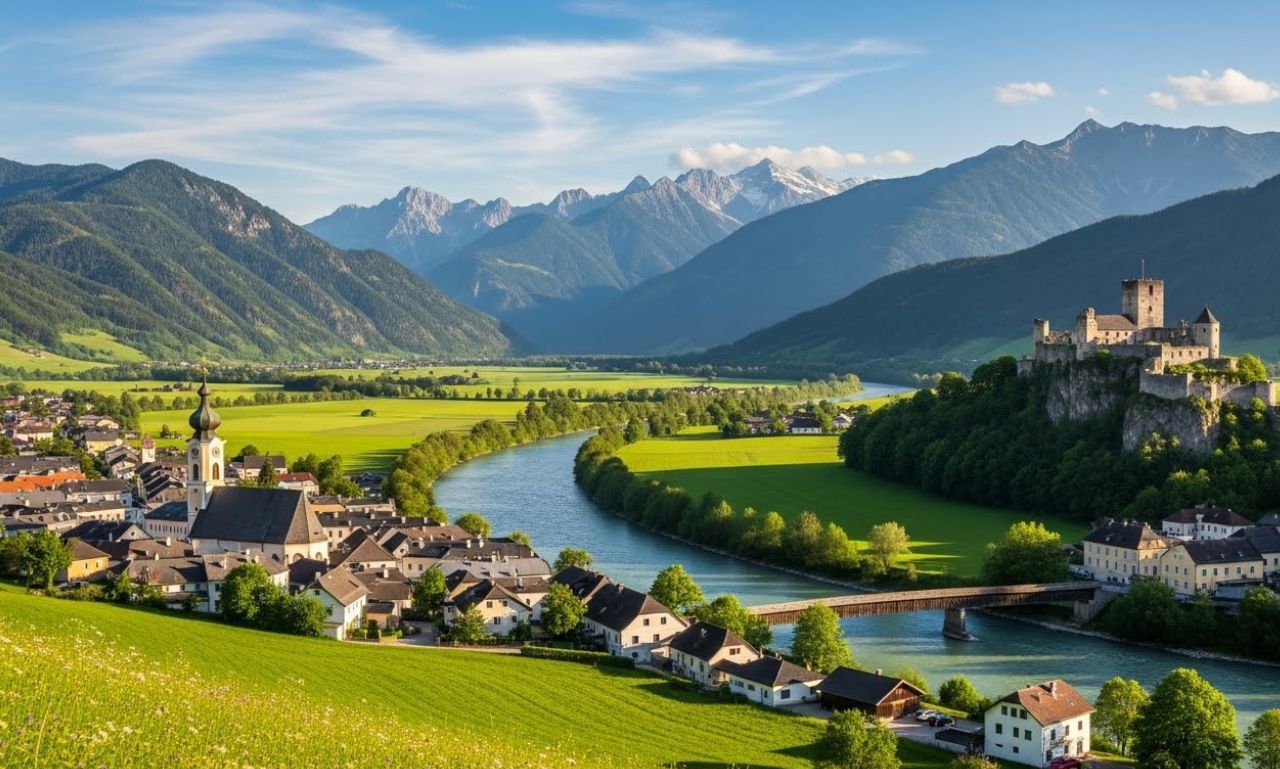
The Enntal region, also known as the Enns Valley, is one of Austria’s most picturesque and culturally rich landscapes, drawing visitors from around the world who are eager to experience its natural beauty and heritage. Stretching along the meandering Enns River, this valley blends breathtaking alpine terrain with historic towns, traditional culture, and year‑round outdoor activities. In this article, we’ll explore what makes Enntal special and why it’s considered a treasure of the Austrian Alps.
What Is Enntal?
The term Enntal literally means “Valley of the Enns,” deriving from the Enns River that flows through it and the German word Tal, meaning valley. This region spans parts of the Austrian states of Styria, Salzburg, and Upper Austria, forming a natural corridor rich in scenic beauty and historical importance.
Enntal is not just a geographical area—it’s a cultural landscape where alpine life has flourished for centuries. Rugged peaks, lush meadows, and wide basins define its terrain, while the river has shaped both the land and the communities that settled along its banks.
Geography and Natural Environment
One of the defining features of Enntal is its dramatic natural environment. The valley sits amid towering mountain ranges such as the Dachstein Mountains, Schladminger Tauern, and the Ennstaler Alpen, making it a paradise for nature lovers.
The Enns River, the longest river flowing entirely within Austria, shapes the landscape as it winds through deep gorges and fertile plains. The region’s diverse topography supports a range of ecosystems, from dense forests to alpine meadows and glacial lakes.
Historical Significance
Enntal has a long and fascinating history that stretches back to prehistoric times. Early human settlements took advantage of the fertile valley and reliable water sources, and later the valley served as a crucial route for trade between regions. Roman outposts and medieval fortifications once stood along these pathways, underscoring the valley’s strategic importance.
During the Middle Ages, castles like Trautenfels guarded this vital corridor, while iron mining and woodworking became key industries. The arrival of the railway in the 19th century further connected Enntal to major cities, fostering economic and cultural growth.
Towns and Villages of Enntal
Several charming towns and villages define the Enntal region, each with its own character and attractions:
-
Schladming: A renowned winter sports destination, known for ski resorts and alpine festivals.
-
Liezen: A bustling transport and commercial hub offering access to natural parks and local culture.
-
Admont: Famous for the Admont Abbey Library, one of the largest monastic libraries in the world.
-
Gröbming & St. Gallen: Known for outdoor recreation, hiking trails, and proximity to dramatic limestone landscapes.
These communities highlight the blend of tradition and modern lifestyle that defines Enntal.
Tourism and Outdoor Activities
Enntal attracts outdoor enthusiasts throughout the year. In winter, Schladming and other alpine areas offer world‑class skiing, snowboarding, and cross‑country trails.
Warm months transform the valley into a playground for hiking, mountain biking, canyoning, and paragliding. Trails like the Wilde Wasser Weg (Wild Waters Trail) showcase waterfalls and panoramic mountain views, while glacial lakes and rivers provide opportunities for rafting and fishing.
Culture and Local Traditions
The cultural heritage of Enntal remains strong today. Traditional Styrian costumes, folk music, and seasonal festivals celebrate alpine life and local customs. Crafts such as wood carving and regional cuisine reflect centuries‑old traditions passed down through generations.
Hospitality is a hallmark of life in the valley, with family‑run guesthouses and local inns offering authentic Austrian experiences. Visitors can enjoy hearty regional dishes made from fresh local ingredients, including dairy and farm products.
Economy and Sustainability
While tourism is a major economic driver, agriculture remains at the heart of the Enntal lifestyle. Dairy farming, crop cultivation, and sustainable forestry support rural communities and help preserve the valley’s natural character.
Modern development in Enntal emphasizes sustainability, with eco‑friendly infrastructure and renewable energy projects becoming increasingly common, balancing progress with environmental conservation.
Living in Enntal
Life in Enntal is often described as peaceful and fulfilling. Clean air, open landscapes, and a strong sense of community contribute to a high quality of life. Well‑developed education, healthcare, and public services make the region appealing for residents and long‑term living.
Community events, marketplaces, and local festivals foster social connections and reinforce the valley’s rich cultural identity.
Conclusion
The Enntal region is a treasure of Austria, blending awe‑inspiring natural beauty with deep cultural roots and modern sustainability. From rugged alpine peaks and hiking trails to historic towns and traditional festivals, Enntal invites visitors and residents alike to experience the essence of alpine life. Whether you’re pursuing adventure, relaxation, or cultural exploration, the Enns Valley offers unforgettable experiences in every season.